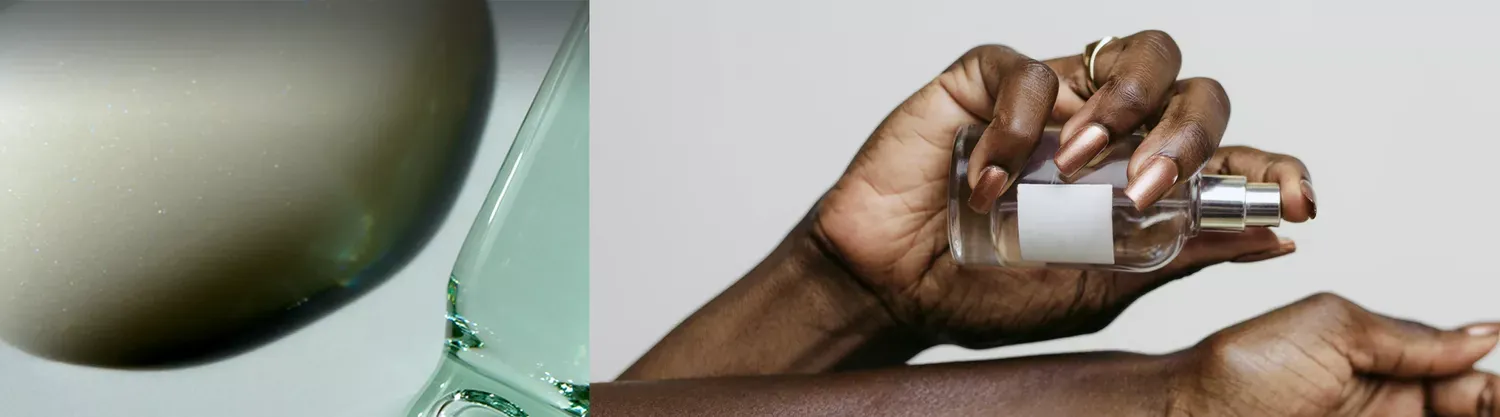
The Quiet Power of Cedar
In fragrance, cedarwood is the great equaliser. It grounds florals that might otherwise feel too sweet. It warms aquatics that might feel too cold. It provides the structural backbone that allows other notes to stand upright and be noticed.
Most people cannot identify cedarwood by smell alone. But they feel its absence immediately. A fragrance without a woody anchor often seems to disappear too quickly — bright and then nothing. Cedarwood is the reason a scent stays.
What Does Cedarwood Actually Smell Like?
Cedarwood's aroma is dry, clean, and faintly pencil-shavings — an association that is immediately recognisable once you know it. It carries a subtle sweetness without ever being sugary. The Atlas variety (from Morocco) leans more woody and resinous. The Virginian variety (from North America) is crisper, almost camphoraceous. Himalayan cedarwood sits in the middle — the most balanced and widely used in perfumery.
Why It Belongs in Body Mists
Because body mists are worn close to the skin, at low concentrations, they benefit enormously from a note that performs in the base — lingering long after the brighter notes have faded. Cedarwood does exactly this. A mist with cedarwood in the base will still be perceptible on your skin four or five hours after application, long after any citrus or floral components have disappeared.
Cedarwood's Best Companions
- With bergamot: A classic. The bright citrus lifts and the cedarwood holds. Masculine without being heavy.
- With jasmine: Sophisticated and complex. The floral softens the wood's dryness.
- With vanilla: Warm, gourmand, deeply comforting. An excellent evening pairing.
- With vetiver: An acquired taste but endlessly rewarding. Earthy, smoky, unforgettable.