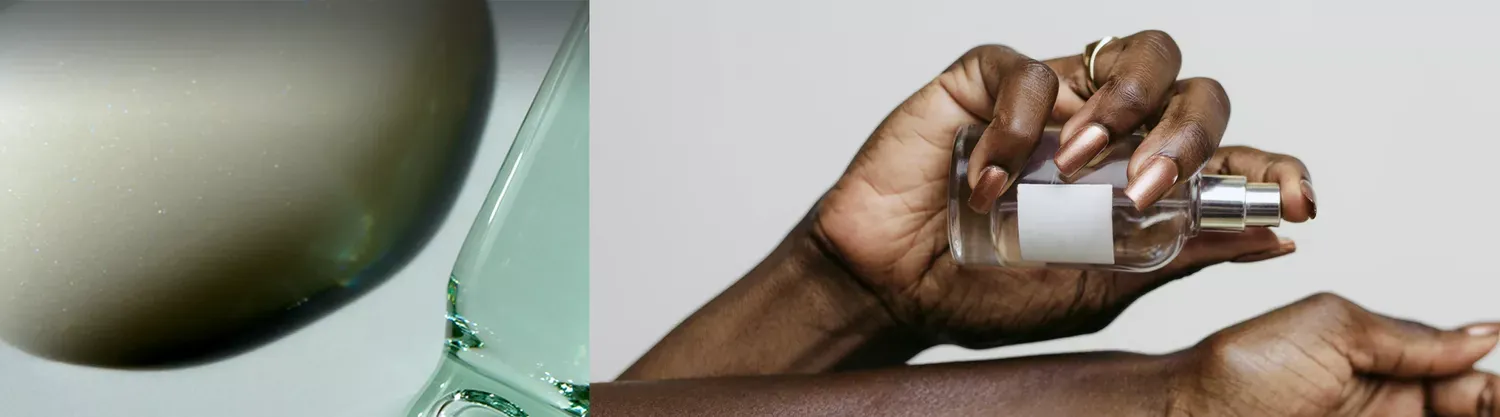
An Unlikely Star
For most of perfumery's history, rice was considered a food — not a fragrance ingredient. There was no obvious path from field to flacon. But in the 2010s, something changed. Perfumers began exploring the concept of "skin scents" — fragrances that smell like an idealised version of clean, warm skin. And rice, cooked or powdery and subtly sweet, became central to that exploration.
What the Rice Note Actually Smells Like
The rice note in perfumery is reconstructed — a careful blend of other materials that evokes the sensation of rice rather than extracting it directly. The result is a scent that is:
- Softly powdery, with a clean, talc-like quality
- Faintly sweet, but never sugary or cloying
- Warm and skin-close, as if the scent is emanating from you rather than something you applied
- Subtly starchy, which gives it an unusual textural quality in the air
The overall effect is deeply comfortable. People often describe rice-note fragrances as smelling like "clean laundry," "a warm embrace," or simply "like myself, but better."
The Skin Scent Revolution
The rice note arrived as part of a broader cultural shift in fragrance preferences. The maximalist perfumes of the 1980s and 90s — heavy orientals, loud florals — gave way to something quieter, more intimate. People began wanting fragrances that enhanced rather than announced. Rice was perfect for this moment.
Its powdery, close-to-skin character means it projects softly — perceived most clearly by the person wearing it and anyone in very close proximity. For a generation that came of age suspicious of anything that felt performative, a fragrance that whispered rather than shouted was enormously appealing.